 listicle
Emergency Locksmith for House Lockout: What to Do
Table of Contents
- Locked Out of Your House: Your First 5 Steps
- What Does an Emergency Locksmith for House Lockout Actually Do?
- Non-Destructive Lock Opening Techniques Explained
- Average Cost of Emergency Locksmith Services in 2026
- Signs of a Reputable Locksmith Company to Trust
- How to Avoid Emergency Locksmith Scams
- How to Prevent Future House Lockouts
- Conclusion: Call a Licensed Emergency Locksmith
- Frequently Asked Questions
Last Updated: September 8, 2026
Being locked out of your own home is rarely convenient, and it often happens at the worst possible moment, late at night, in the rain, or with a child asleep inside. When you need an emergency locksmith for house lockout situations, the pressure to act fast can lead to poor decisions. At Hot Falcon Locksmith, we regularly help Bay Area homeowners with house lockouts and know that a calm, informed approach can make the situation easier and less stressful. This guide walks you through exactly what to do, what to expect, and how to avoid the scams that plague this industry.
The most important thing to remember: a legitimate emergency locksmith prioritizes getting you inside without damaging your door, your lock, or your wallet. Below, we'll show you the five steps to take right now, what a professional actually does on arrival, and the red flags that signal you're dealing with a disreputable operator.
Locked Out of Your House: Your First 5 Steps
When you realize you're locked out, your first instinct might be to panic. Resist it. Follow these steps in order to resolve the situation safely and efficiently:
- Check all other entry points. Walk around your property and try every door and ground-floor window. A surprisingly common resolution is finding a back door or garage entry left unlocked.
- Locate your spare key. Check with family members, roommates, or trusted neighbors who may hold a copy. If you have a smart lock or keypad, verify the batteries haven't died.
- Assess for safety risks. If you smell gas, see smoke, or have a medical emergency inside, do not wait for a locksmith (ready.gov). Call 911 immediately.
- Call a licensed locksmith. Search for a local, owner-operated company rather than a national call center. Ask directly if they are licensed and insured before they dispatch.
- Move to a safe waiting spot. If it's dark or the weather is poor, wait in your car or a well-lit area nearby while you watch for the technician to arrive.
What Does an Emergency Locksmith for House Lockout Actually Do?
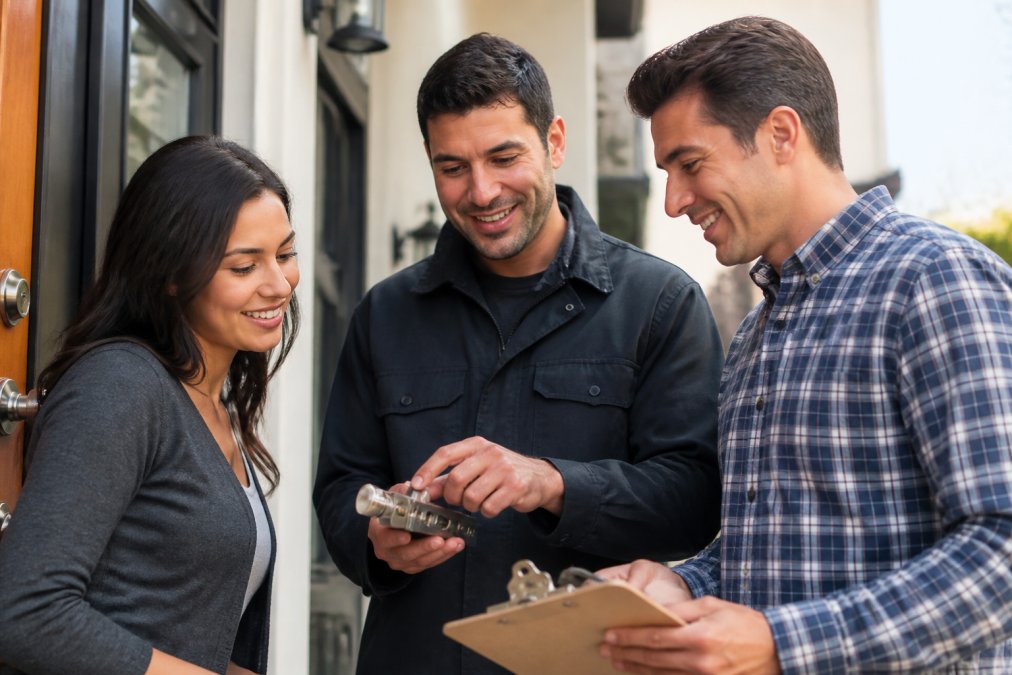
A professional emergency locksmith does far more than simply "pick the lock." When you call a reputable service, the technician arrives with the tools needed to assess the lock and determine the safest way to regain entry. A locksmith may ask for identification or other proof that you are authorized to access the property before beginning work.
Once your identity is confirmed, the technician assesses your door hardware. The goal is always non-destructive entry, meaning the locksmith will attempt methods that do not damage your lock, door, or frame. This assessment covers the lock type, the door material, and the security level of the hardware. Only if a lock is already broken or beyond repair will the technician discuss replacement options with you before proceeding.
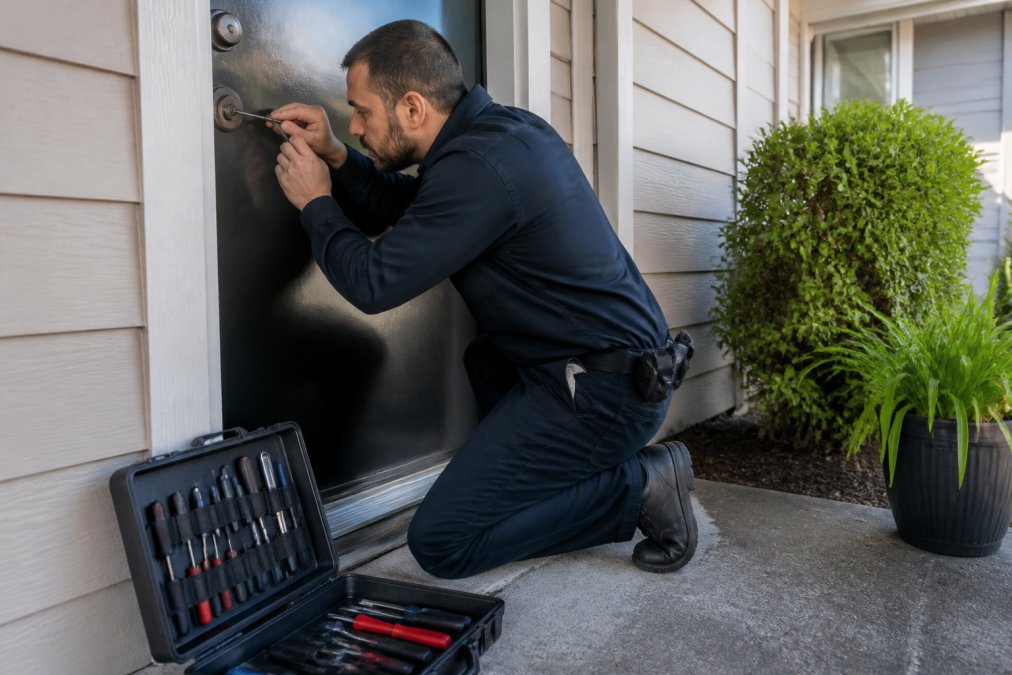
A common mistake is assuming all locksmiths are the same. An owner-operated technician who performs the work themselves has a direct stake in doing the job right, unlike a dispatcher sending a subcontracted worker. When you call Hot Falcon Locksmith, you speak directly with the licensed professional who will arrive at your door, eliminating the call-center disconnect that leads to miscommunication and inflated quotes.
Non-Destructive Lock Opening Techniques Explained
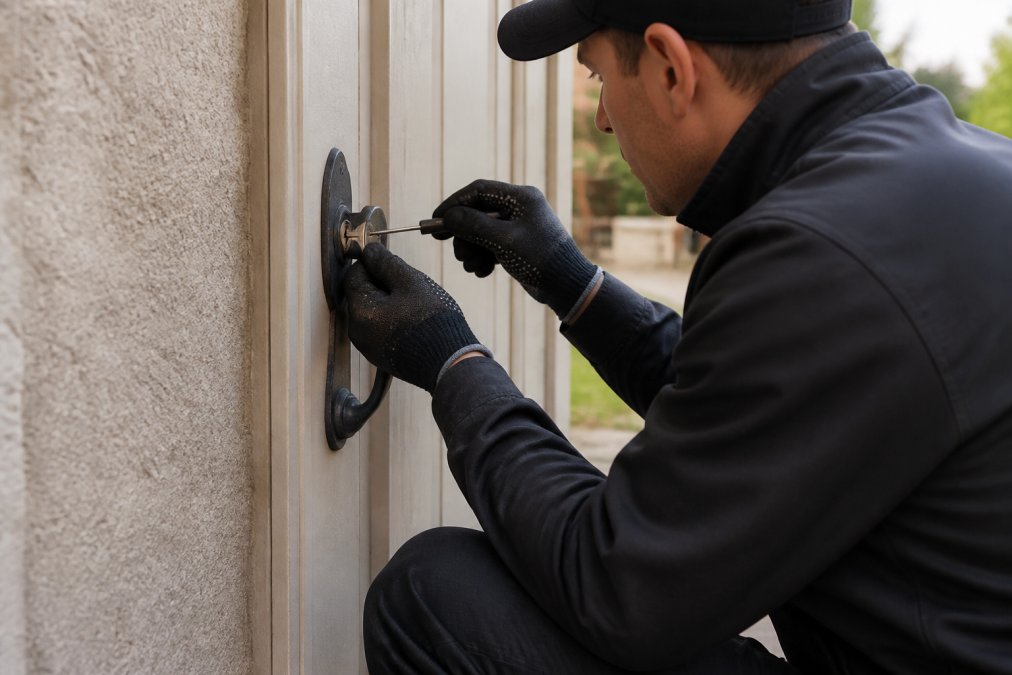
A professional locksmith will usually try non-destructive entry methods first, with the goal of opening the door without damaging the lock, door, or frame. The exact method depends on the type and condition of the lock. If destructive entry or replacement is necessary, the technician should explain why and confirm the cost before proceeding.
Average Cost of Emergency Locksmith Services in 2026
Pricing is often the most stressful part of a lockout, largely because of the industry's reputation for hidden fees. Understanding how pricing works will help you avoid surprises. Most legitimate locksmiths structure their fees around three components: a service call fee to cover travel, a base labor charge, and the cost of any replacement parts. Because Hot Falcon Locksmith operates without a call center and focuses on transparent pricing, pricing is explained clearly before work begins, with no hidden fees or bait-and-switch tactics.
The average cost of emergency locksmith services varies based on several factors, including the time of day, your location, and the complexity of the lock. After-hours calls typically incur a surcharge, which is standard practice across the industry (bbb.org). Rather than offering a specific figure, a reputable technician will provide a clear estimate before any work begins and confirm the total cost before completing the job.
Pricing Factor | What It Includes | Typical Impact on Bill |
|---|---|---|
Service Call Fee | Technician travel to your location | Fixed base charge |
Time of Day | Daytime vs. after-hours response | Higher after-hours surcharge |
Lock Complexity | Standard deadbolt vs. high-security | Increased labor time |
Replacement Parts | New lock cylinder, deadbolt, or hardware | Cost of parts plus labor |
To get an accurate price for your specific situation, the best approach is to ask for a firm quote over the phone before the technician is dispatched. Be wary of any service that refuses to provide an estimate or uses vague language like "it depends." For current pricing on residential lockout services, check the Hot Falcon Locksmith website or call directly for a transparent quote.
Signs of a Reputable Locksmith Company to Trust
Finding a trustworthy locksmith before you need one is the best strategy, but when you're locked out, you need to evaluate quickly. Several clear signs of a reputable locksmith company can guide your decision. First, verify they are licensed and insured. A legitimate business will have a local phone number, and will be happy to provide their license number.
Another strong indicator is their verification process. A reputable locksmith will ask for your identification and proof of residency before working on your home. This demonstrates a commitment to security and compliance with local regulations. Furthermore, they will offer a clear, itemized estimate before starting and will accept credit cards, which provides a paper trail and consumer protections.
The customer experience also matters. An owner-operated locksmith who answers the phone directly and performs the work themselves offers a level of accountability that large call-center operations cannot match. When you call Hot Falcon Locksmith, you speak directly with Grigorii, the licensed technician who will handle your job. This direct communication helps avoid misunderstandings about the scope of work and pricing.
How to Avoid Emergency Locksmith Scams
The locksmith industry has a notorious problem with scams, and knowing how to spot them is your best defense. The most common scheme involves fake listings on search engines and Google Maps that appear when you search for an emergency locksmith. These scammers dispatch an unmarked van with a technician who quotes one price on the phone but demands double or triple upon arrival. They may also drill your lock unnecessarily and charge exorbitant fees for a replacement.
To protect yourself, follow these guidelines:
- Search for "locksmith near me" with a local modifier and verify the business name, local phone number, website, license information, and customer reviews before hiring.
- Call the number on their website and ask for their license number and proof of insurance before they dispatch.
- Be suspicious of generic voicemail or operators who answer "Locksmith Services" without a specific company name; this is a hallmark of a call center.
- Confirm the final price before any work begins and ask if there are any additional fees for after-hours service or mileage.
- Never pay in cash if you can avoid it; a credit card payment offers a way to dispute fraudulent charges.
How to Prevent Future House Lockouts
The best lockout is the one that never happens. Prevention is straightforward and often inexpensive. The simplest step is to establish a routine of placing your keys in the same designated spot every time you enter your home. This habit alone prevents a large number of lockouts. For a more convenient solution, consider installing a smart lock with a keypad, which allows you to enter a code instead of using a physical key and eliminates the risk of losing it.
Another effective strategy is to leave a spare key with a trusted neighbor or family member who lives nearby. If you're concerned about security, store it in a locked key box that requires a combination to open, rather than under a doormat or a fake rock, which are the first places a burglar will look. Those who frequently lock themselves out. Keeping a spare key with a trusted family member or neighbor can also help prevent future lockouts.
Beyond key management, regular maintenance of your door hardware is crucial. A jammed lock or a misaligned deadbolt can fail at the worst time, leaving you stranded. Periodically lubricate the lock cylinder with a graphite-based lubricant and ensure the strike plate is properly aligned. If you notice your key sticking or the lock feeling rough, address it early before it becomes an emergency.
Conclusion: Call a Licensed Emergency Locksmith
A home lockout is a stressful event, but it doesn't have to be a costly or dangerous one. By staying calm, following the steps outlined above, and knowing what to expect from a professional, you can resolve the situation quickly and safely. The key is to plan ahead: know who you will call before you need them, and verify their credentials.
When you need a reliable emergency locksmith for house lockout service, Hot Falcon Locksmith provides a direct line to a licensed, insured professional who will arrive quickly and use non-destructive techniques to get you back inside. Skip the call centers and the uncertainty. Get started with Hot Falcon Locksmith and experience transparent pricing, direct communication, and professional locksmith service.
Frequently Asked Questions
How much does an emergency locksmith cost for a house lockout?
The average cost of emergency locksmith services varies based on your location, the time of day, and the type of lock. Expect to pay more for after-hours, weekend, or holiday calls, plus a standard service call fee. The final price should be quoted before work begins. For a precise estimate for your Bay Area home, contact Hot Falcon Locksmith directly for transparent, upfront pricing.
Can a locksmith open any type of residential door lock?
A licensed and insured locksmith is trained to open most standard residential locks, including deadbolts, knob locks, and smart locks. They use professional tools and non-destructive lock opening techniques to gain entry without damaging your door. In rare cases, like a severely jammed lock or a broken key, they may need to perform a lock repair or replacement on the spot to secure your home.
What information should I have ready when calling an emergency locksmith?
Have your full address, a phone number where you can be reached, and your identification ready. The locksmith will ask for proof of residency, such as a driver's license or a utility bill, before opening your door. This is a safety protocol to protect you and your neighbors, and it is a sign of a reputable locksmith company. It also helps the technician prepare the right tools for your lock type.
Are emergency locksmiths available 24/7 for residential lockouts?
Yes, reliable mobile locksmiths offer 24/7 emergency lockout service because lockouts happen at any hour. An on-call technician can usually arrive within 30 minutes to an hour. When you call, confirm their response time and ask if they are an owner-operated service or a call center dispatching local techs. Direct communication with the actual locksmith often means faster, more transparent service.